
LED Display For Restaurant
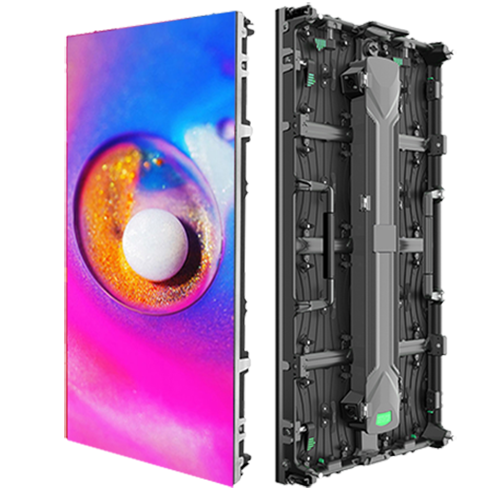
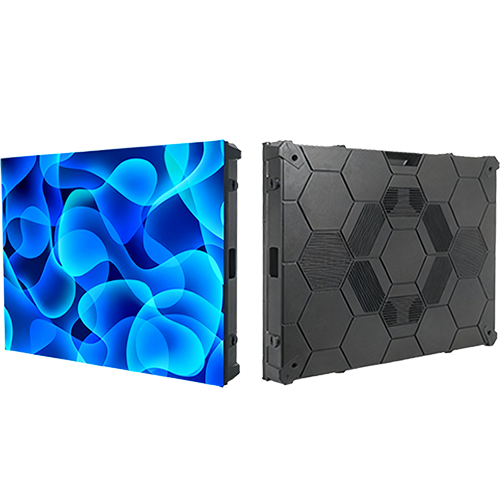
There are several indoor and outdoor LED displays designed for restaurant environments with vivid colors and high brightness to display all kinds of content, such as delicious foods, to attract customers
Restaurant LED Display Screen Introduction
In today’s highly competitive catering industry, capturing customer attention has become a critical factor for success. The integration of LED screens in restaurants serves as an effective strategy to enhance visual appeal and elevate the overall customer experience. Statistical data indicate that restaurants equipped with dynamic LED displays experience a 30% increase in average daily foot traffic and a 40% increase in customer dwell time.
Restaurant LED Display Screen Q&A
Restaurant For Indoor Applications
Indoor LED displays are widely used in restaurants to showcase menus, promotions, brand advertising, and welcome messages. These displays feature high-resolution, vibrant full-color capabilities that help create a comfortable and inviting dining atmosphere. Common types of indoor LED wall displays include:
1.1 LED Menu Screens:
Electronic menu displays that enhance meal efficiency while capturing customer attention.
1.2 LED Poster Displays:
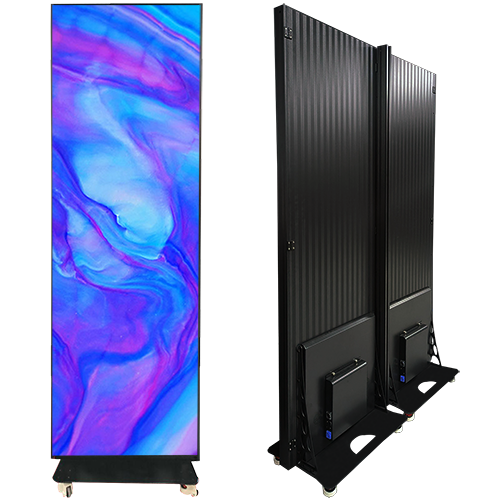
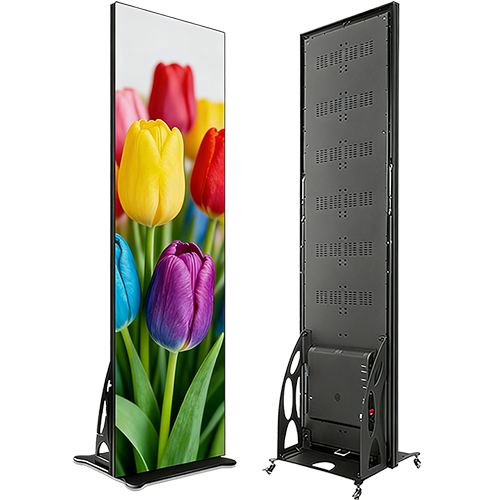
Ideal for presenting new products or time-limited promotional content, providing customers with clear and intuitive information.
1.3 Interactive LED Screens:
Enable customer interaction with the screen to improve user experience. These are particularly suitable for self-service ordering systems or entertainment zones.
1.4 Interactive LED Screens:
Enable customer interaction with the screen to improve user experience. These are particularly suitable for self-service ordering systems or entertainment zones.
1.5 Outdoor LED Displays
Outdoor LED screens are typically mounted outside restaurants to attract passersby, increase brand awareness, and disseminate promotional information. These displays boast high brightness, robust weather resistance, and integrated waterproof, dust-proof, and ultraviolet protection features. Common types of outdoor LED displays include:
1.6 LED Billboards:
Large-scale billboards designed to showcase special offers or brand information and attract potential customers.
1.7 Outdoor Digital Menu Boards:
Suitable for fast-food restaurants and takeout windows, enhancing the speed and efficiency of customer ordering.
1.8 LED Announcement Boards: Used for displaying business hours, special announcements, or restaurant events, fostering greater customer engagement.
A restaurant LED screen is a display specifically designed for the catering industry. It utilizes high-brightness, high-definition LED technology to present menus, food images, promotional content, and dynamic advertisements. These displays are widely used in both indoor and outdoor restaurant environments, serving not only as menu displays but also as elements that contribute to the establishment’s overall ambiance. Compared with traditional static menu boards, LED screens allow for real-time content updates, effectively capturing customer attention and enhancing the overall dining experience.
The advantages of LED displays include vibrant colors, high contrast, and clear display quality, ensuring excellent visibility under various lighting conditions. Additionally, LED displays are energy-efficient and durable, significantly reducing maintenance and replacement costs compared to traditional alternatives. As the catering industry places increasing emphasis on customer experience, restaurant LED screens have become essential tools for strengthening brand image and attracting patrons.
2.1 Enhance visual appeal
LED menu displays offer high brightness and resolution, enabling clear presentation of food images, pricing, and promotional details. Dynamic content is more engaging than traditional static menus, effectively drawing customer attention and stimulating purchasing intent.
2.2 Improve menu update efficiency
Unlike traditional paper menus, LED menu screens allow for remote and immediate updates to menu content, including price adjustments, new product launches, and promotional changes. This flexibility reduces both time and printing costs.
2.3 Optimize customer experience
By displaying detailed dish descriptions, recommended combinations, and current offers, LED screens help customers make informed decisions. This reduces confusion during ordering and enhances overall dining satisfaction.
2.4 Boost sales
Vivid menu presentations and time-limited promotional content can effectively encourage impulse purchases, thereby increasing the restaurant’s overall revenue.
2.5 Save on long-term operating costs
Restaurant LED displays are characterized by a long service life and low energy consumption, which minimizes replacement and maintenance expenses, ultimately delivering a higher return on investment.
3.1 Determine the Purpose and Installation Location
Select an appropriate screen type based on your intended use. For indoor menu displays, a high-resolution LED screen is recommended. If the application involves outdoor advertising or the display of promotional content, a ruggedized LED screen with waterproof, dustproof, and UV-resistant properties should be selected to ensure long-term durability and visibility under various environmental conditions.
3.2 Screen Resolution and Size
Screen resolution significantly affects visual clarity; higher resolutions ensure sharper text and images, which is especially important when displaying food-related content. Additionally, choose a screen size that is proportionate to the available space within the establishment to optimize visibility and viewer engagement, avoiding both excessive intrusiveness and inadequate visibility.
3.3 Brightness Adaptation to Ambient Light
Indoor LED screens typically operate within a brightness range of 500–1000 nits, while outdoor screens require significantly higher brightness levels (1500–5000 nits) to maintain readability under varying ambient lighting conditions, including direct sunlight.
3.4 Remote Management Functionality
Choose an LED display system that supports remote content management, allowing for real-time updates to menus, promotions, or event announcements. This functionality improves operational efficiency and ensures timely and consistent communication with customers.
The price of LED menu display boards varies depending on several factors, including screen size, resolution, functional features, and brand. Generally, a small LED menu display (e.g., 32 inches) costs approximately $150 to $400 and is suitable for small cafes or fast-food restaurants. A medium-sized LED menu display (e.g., 43 to 55 inches) typically ranges from $600 to $1,200, making it appropriate for medium-sized restaurants. High-end customized interactive LED menu displays, or those equipped with features such as multi-screen synchronization and remote control capabilities, may cost between $1,000 and $4,000 or more.
Furthermore, outdoor LED menu displays are generally more expensive than indoor models due to the necessity of waterproofing, dust resistance, and UV protection. Their price typically ranges from $1,000 to $2,000, depending on brightness, protection rating, and overall durability.
When selecting an LED menu display, it is important to consider not only the cost but also the establishment’s specific operational requirements, budget limitations, and environmental conditions to ensure an optimal and sustainable investment.
The use of LED screens in restaurants enhances the clarity of menu information, presents promotional content in a more intuitive format, and improves customer ordering efficiency, thereby contributing to higher overall customer satisfaction. Simultaneously, high-definition dynamic displays effectively capture customers’ attention, encouraging exploration of new menu items and driving sales. For those aiming to establish a more competitive dining environment, consider YVLED’s range of professional LED display solutions. Contact us today to receive a customized quote.
Get The Best quote for your lED display project