Outdoor LED Display

The LED Display Screen for outdoor use features high-brightness LED modules with all-weather protection, making it durable across a wide range of outdoor environments.

Outdoor LED Display Screen Introduction

YVLED specializes in high-performance, tailored Outdoor LED Video Display solutions for the diverse requirements of commercial and public spaces. Whether it’s for advertising, live events, or brand promotions, YVLED Outdoor LED Display wall provides an unmatched visual experience with exceptional image quality, durable protection, and flexible customization options. Our products are built to last and perform reliably, even in tough weather conditions, making them the perfect choice for outdoor applications.

Do you want to expand your brand potential by enhancing your brand image and leaving a deeper impression on your customers? If so, consider the YVLED Outdoor LED Display! They are excellent outdoor advertising media for commercial establishments such as hotels, businesses, shopping malls, banks, train stations, and airports.

YV Outdoor LED Display 

YVLED has developed various types of outdoor LED displays to meet diverse scenarios and requirements:
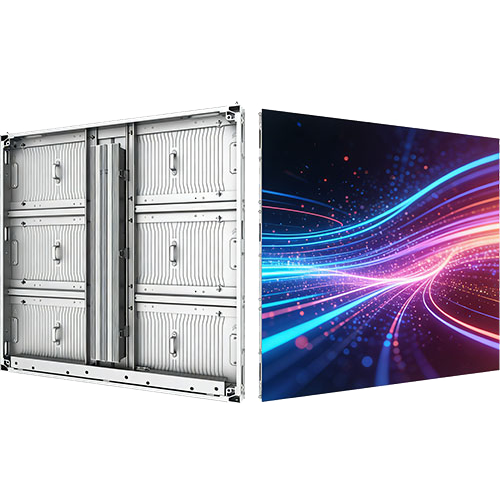
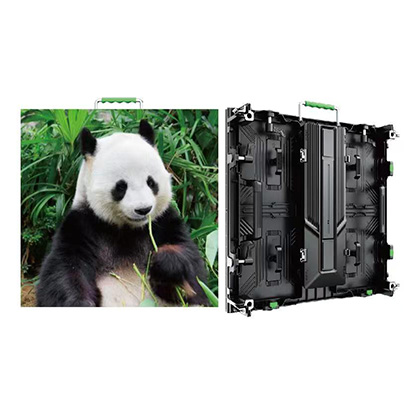
  • Outdoor LED panel display
    OX960 Outdoor LED Display

    LEARN MORE >

Typical Outdoor LED Displays

YVLED has developed various types of outdoor LED displays to meet diverse scenarios and requirements:
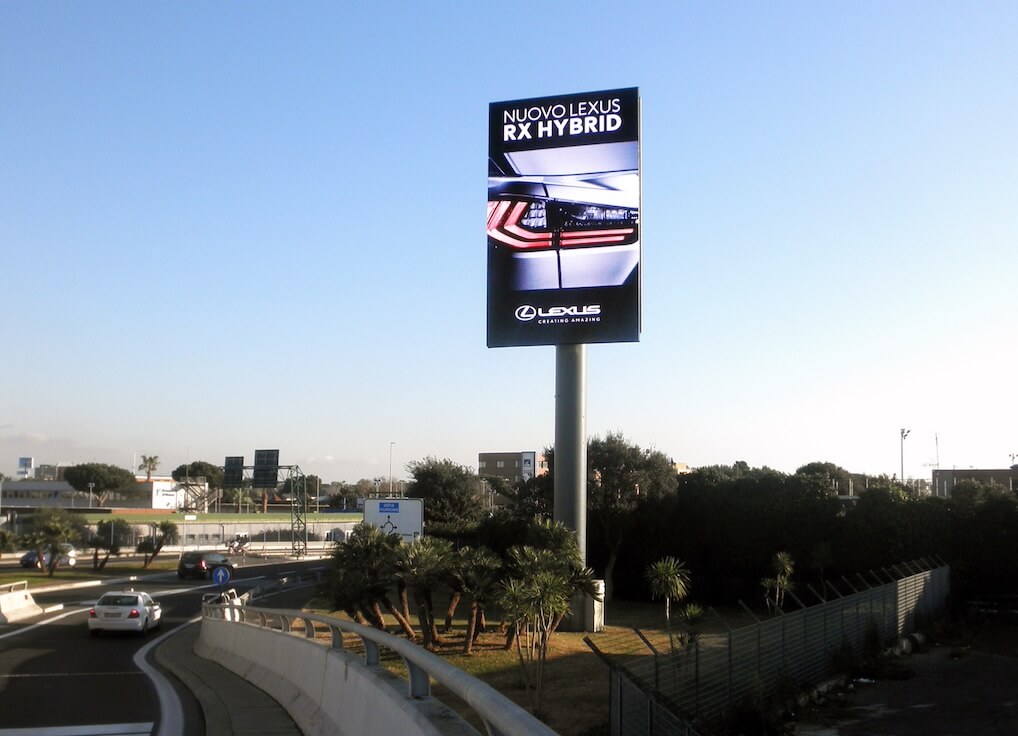
Outdoor Fixed installation LED screen

Outdoor Permanent LED Display Series

Outdoor fixed-installation LED Displays are durable and stable, designed for commercial advertising venues such as hotels, stores, casinos, shopping malls, train & bus stations, airports, schools, and churches.

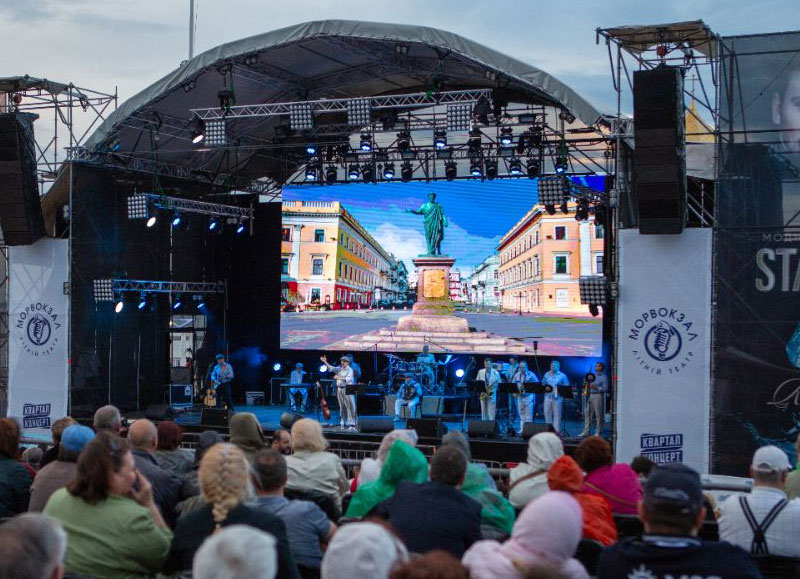
Outdoor stage LED screen

Outdoor Rental LED Display Series

Outdoor rental LED displays are widely used for events, stages, concerts, trade shows, and other venues. We provide a variety of pixel pitches, including P1.9mm, P2.6mm, P3.9mm, P4.8mm, and P5.9mm, for these Outdoor Rental LED Screens.

Outdoor 3D LED screen

Outdoor 3D LED Display Series

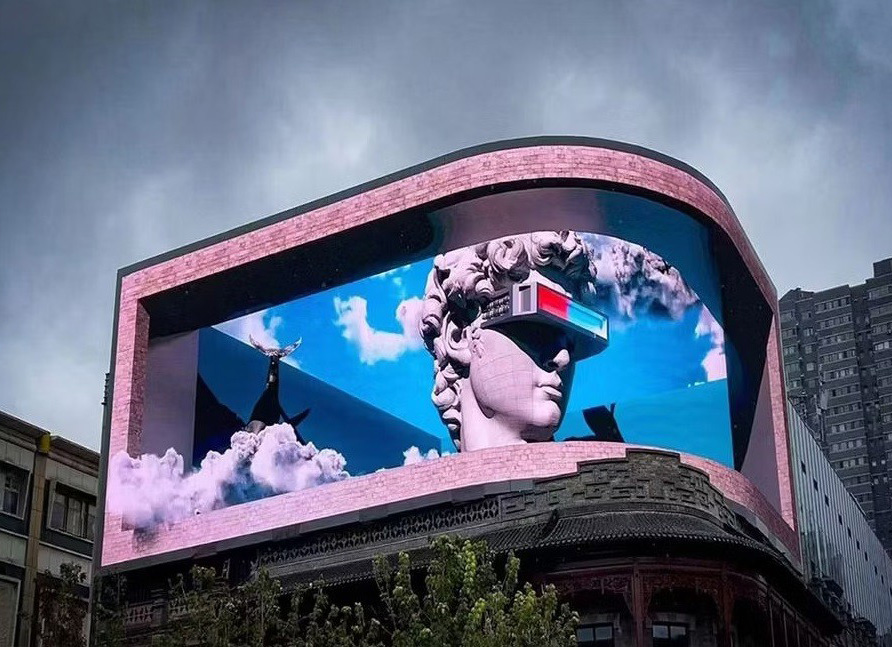
The outdoor 3D LED display delivers unique naked-eye 3D effects across all video content, transforming ordinary outdoor LED screens into massive 3D displays and attracting passersby’s attention.

Outdoor Transparent LED Display

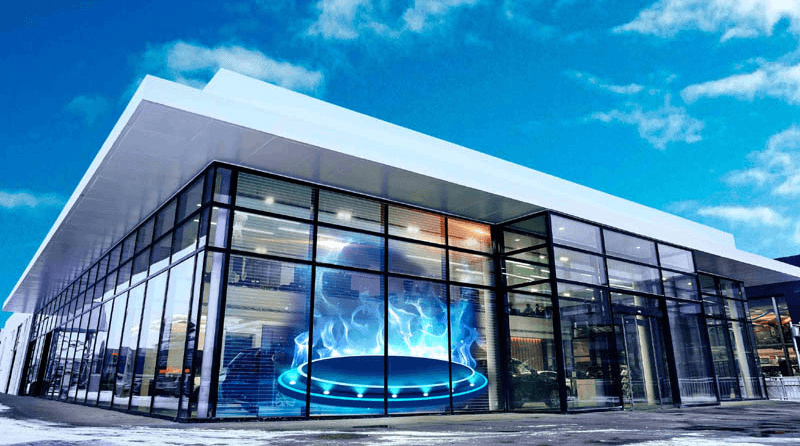
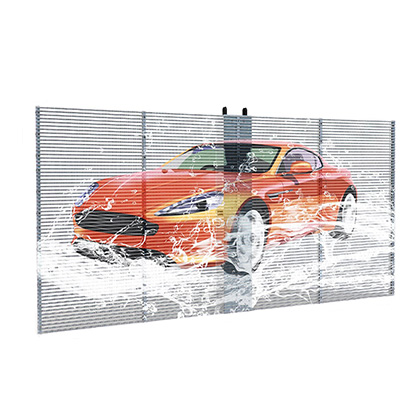
Outdoor transparent LED displays feature a see-through design that projects images without obscuring the background. This makes them widely applicable for building facades or glass storefronts.

Main Components of Outdoor LED Display

Among the wide range of outdoor LED displays, their core components remain fundamentally consistent, typically encompassing the following key elements:
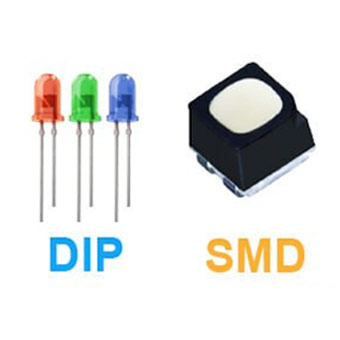
LED lamps for outdoor LED display

lED lamps

Outdoor LED screens primarily come in two types: SMD and DIP. SMD LED is smaller and mainly used for pixel pitches below 10mm, while outdoor DIP LED is used for pixel pitches above 10mm.
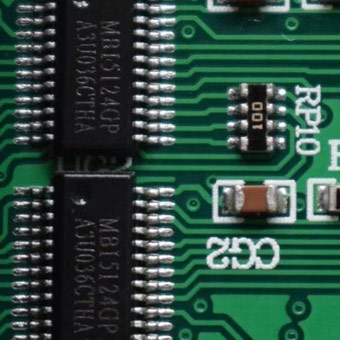
Driving IC for outdoor LED screen

Driving IC

The driving IC controls every LED’s brightness and color; it is a key component for LED display performance, such as the refresh rate, color depth, gray level, and even energy-saving function.
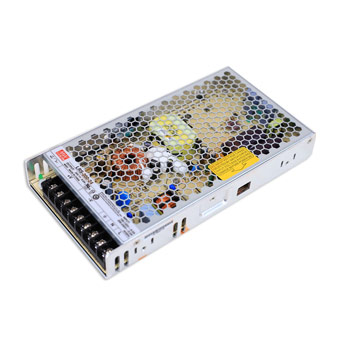
power supply for outdoor LED display

Power Supply

The power supply for the outdoor LED screen automatically adjusts for voltage fluctuations, particularly in unstable power areas, preventing malfunctions and keeping a stable DC output.
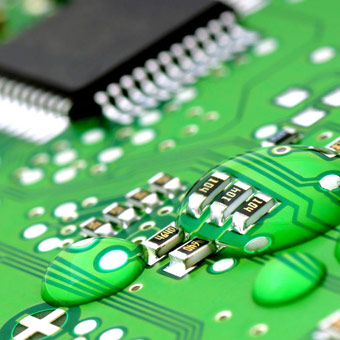
PCB board for outdoor LED display

PCB board

The PCB board plays an important role in the LED display quality; a good PCB design can make the LED display work stably in different circumstances with low radio emission.
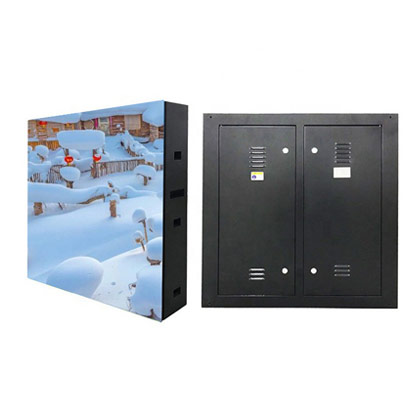
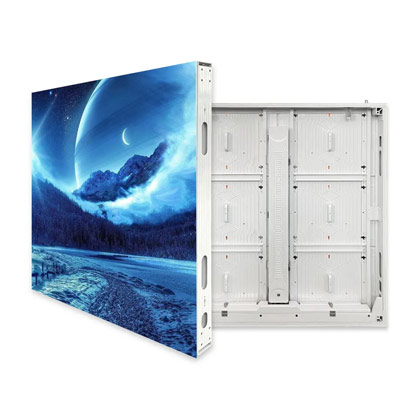
Cabinets for outdoor LED Displays

There are different types of cabinets for different outdoor LED display applications.

Metal sheet LED cabinet

Metal Sheet Cabinet

It is the traditional cabinet for Outdoor LED Display from the beginning, it has a sealed space to protect the modules and other components inside, although it has larger dimensions and heavier weight, it is still a cost-effective solution for low labor cost regions

Extruded aluminum LED cabinet

Extruded aluminum cabinet

Compared to a metal sheet cabinet, an extruded aluminum cabinet is lighter and slimmer, and also provides better heat dissipation. It is more popular in countries with high labor costs because it reduces transportation and installation costs.

Die cast alumminum LED cabinet

Die-cast aluminum cabinet

The die-cast Aluminum cabinet has a strong, durable body while remaining lightweight. The dimension becomes more precise after further refining by a CNC machine. It is a perfect cabinet type for outdoor rental LED displays.

Strip LED cabinet

Stripe/Grid Cabinet

The stripe-grid cabinet is primarily used for outdoor transparent LED displays. This type of LED display can prevent sunlight or wind from passing through; the main applications are LED displays behind a building’s glass or on top of a building in strong winds.

Outdoor LED Display Wall Q&A List

Outdoor LED Display screens are specialized display devices designed for commercial purposes, characterized by a diverse range of types and applications. These displays deliver excellent performance in urban streets, on building facades, in large shopping malls, at stadiums, and in other venues. They effectively capture attention and fulfill the objectives of advertising and information dissemination.

In contrast to conventional TVs, Digital LED Displays are part of a more sophisticated system. While ordinary TVs primarily serve home entertainment needs, such as watching TV programs or streaming content, LED Commercial Displays are tailored for various business environments and offer plug-and-play functionality. They typically offer higher brightness, enhanced weather resistance, and extended lifespans to ensure optimal performance in complex environments.

Below are some primary application scenarios for Commercial LED Billboards:

(1) Urban Streets: Utilized for billboards and traffic information dissemination, providing clear visibility under varying lighting conditions throughout the day and night.

(2) Building Facades: Employed to create large-scale dynamic advertisements and architectural embellishments, enhancing the visual appeal of structures.

(3) Large Shopping Malls: Used for promotional content, brand presentation, and navigation guidance, thereby improving the overall shopping experience for customers.

(4) Large Sports Venues: Applied for displaying match details, broadcasting advertisements, and facilitating audience interaction, thus elevating the event’s value and audience engagement.

(1) High Brightness
Outdoor LED walls have ultra-high brightness, often reaching 6000-12,000 nits, ensuring that content can be clearly displayed in strong direct sunlight, providing excellent visual effects even during the day.

(2) Strong weather resistance
Outdoor LED wall displays made with weather-resistant materials can withstand long-term exposure to sun, wind, and humidity, have a long service life, and require low maintenance.

(3) Strong protection performance
The outdoor environment is complex, and the display needs excellent protection against water, dust, and UV, typically rated to IP65 or higher. This design ensures the screen operates reliably in rain, snow, high temperatures, and other adverse weather conditions.

(4) Wide viewing angle
Outdoor LED screens are usually designed with wide viewing angles, so that pedestrians and vehicles can clearly see the display content from different angles, expanding the scope and impact of communication.

When selecting the appropriate Outdoor LED Display Screen, several critical factors must be considered.

Firstly, brightness is a key determinant; outdoor screens should have sufficient luminance (typically at least 5,000 nits) to ensure clear visibility in bright ambient lighting.

Secondly, pixel pitch plays a significant role in determining display sharpness. A smaller pixel pitch results in a more refined display effect. For long-distance viewing, a larger pixel pitch (e.g., P10) is adequate, whereas for closer viewing distances, a smaller pixel pitch (e.g., P4 or P6) is required.

Additionally, the protection rating is essential. Selecting a screen with an IP65 or higher protection level ensures its resistance to water, dust, and UV exposure. The screen size should be chosen based on the installation location and requirements to ensure optimal viewing performance.

Furthermore, the screen’s control system must be evaluated. It should support remote operation and content updates while prioritizing energy efficiency by selecting energy-saving models to minimize operational costs.

Lastly, it is advisable to choose products from reputable brands with reliable after-sales service guarantees to ensure the screen’s stability and long-term dependable operation.

(1) Preparation
Survey site: Confirm the installation environment, including lighting, weather, wind, and terrain.
Design scheme: Based on the screen size and application requirements, develop the setup design, including the bracket structure, power wiring, and signal transmission path.

(2) Build the steel structure frame
Construct a sturdy steel frame to support the screen’s weight and withstand external forces, such as wind. The support should undergo waterproof and corrosion-resistant treatments to prolong its operational life.

(3) Power system deployment
Organize the power lines to match the screen’s power demands, ensuring a continuous power supply.
Install circuit breakers, leakage protectors, and other devices to enhance safety.

(4) Install the LED display cabinet
Each LED display cabinet is fixed block by block to the steel frame to ensure firm installation and prevent loosening.
Make sure the module seams are tight to maintain overall screen flatness and picture quality.

(5) Configure the control system
Install control devices (send cards, receive cards, etc.) to manage the screen through control software.
Ensure smooth signal transmission and avoid delay or interference.

(6) LED Screen debugging and testing
Adjust the LED screen’s brightness, color, and refresh rate to ensure a clear, smooth display.
Check the protective performance and test the equipment’s stability under different weather conditions.

(7) Maintenance and acceptance
Check all mounting points for firmness and integrity of the screen display.
After delivery, provide regular cleaning, testing, and maintenance services to ensure long-term stable operation of the equipment.
A professional installation process can ensure that the LED outdoor screen is safe and stable, with reliable performance, to achieve the best visual effect and long-term use.

The price of outdoor LED panels varies depending on several factors. It encompasses factors such as size, pixel spacing, material quality, technical requirements, and the installation environment. Here are the main factors that affect pricing and budgeting:

(1) Pixel pitch (P-value)
The pixel pitch is the core factor affecting the price. The smaller the P value (such as P4, P6), the higher the pixel density and the finer the picture quality, but the cost is also higher. Displays viewed from a distance usually use P10 or larger pitch, which is more economical, while close-range or high-precision applications use smaller P-values.

(2) Screens dimensions
Outdoor LED display panels’ modular construction. A larger display area requires more LED modules, increasing the total cost. Usually quoted in square meters, prices for small displays (less than 10 square meters) and super-large displays differ significantly.

(3) Protection level
Outdoor video walls require high protection levels (such as IP65) to withstand water, dust, and UV exposure. These special designs increase manufacturing costs, but are essential for long-term stable operation.

(4) Installation mode and environment
How you install it (e.g., on columns, walls, or mobile brackets) and where you install it (e.g., at high altitudes or in difficult terrain) can affect your budget. Projects that install LED at high altitudes or require additional support structures usually have higher labor and equipment costs.

(5) Control system and accessories
The brand and functionality of the control system (for example, synchronous/ asynchronous control, remote management functions) will affect the price. In addition, the budget should account for accessories such as power supplies and cooling systems.

(6) Upkeep and support
Some providers offer packages that include services like scheduled maintenance of LED displays and screen calibration, which increase initial costs but reduce long-term maintenance costs.

The outdoor LED screen wall is a high-tech display device that typically reaches an IP65 or higher protection level, offers superior waterproof, dustproof, and windproof performance, and can be used in harsh environments for extended periods.

In addition, its modular structure facilitates quick installation and disassembly, reducing construction time. It is widely used in city squares, commercial centers, transportation hubs, and other places to provide users with reliable all-weather display solutions.

Get The Best quote for your lED display project

Ride into the future with our electric bikes